Blog

Central Feeding System for Blow Molding: Design, Benefits & Cost

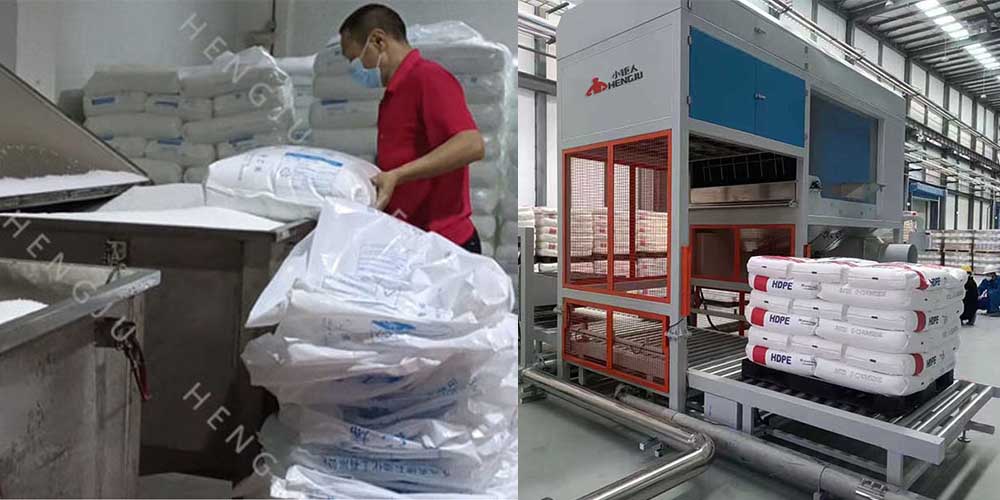
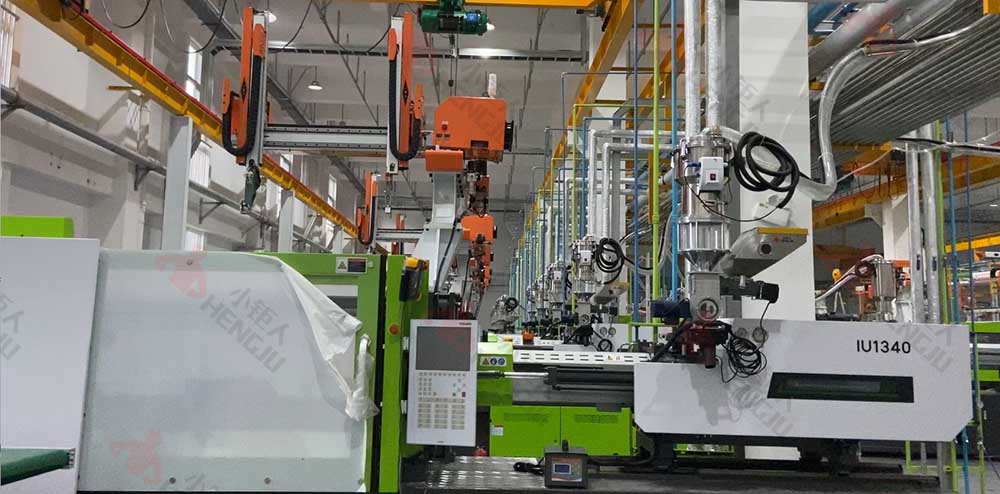
1. Introduction Blow molding factories often face challenges like inconsistent material supply, high labor costs, and dust contamination. A central feeding system for blow molding solves these problems by delivering raw materials directly from storage silos to each blow molding machine automatically. 2. How a Central Feeding System Works in Blow Molding 3. Benefits for […]

Central Feeding System for Blow Molding: Design, Benefits & Cost Read More »
What’s the Difference Between a Volumetric Doser and a Gravimetric Blender?

In the plastic processing industry, accurate dosing is key to consistent product quality and cost control. Two common dosing systems are volumetric dosers and gravimetric blenders. While they may seem similar, the difference between them can significantly impact your production efficiency. 🔹 1. Dosing Principle: Volume vs. Weight 🔹 2. Typical Use Cases Volumetric doser

What’s the Difference Between a Volumetric Doser and a Gravimetric Blender? Read More »

How Does a Vacuum Loader Work in Plastic Production?

In modern plastic manufacturing, automating the feeding process is crucial for stable, clean, and efficient production. One essential tool used by many injection molding and extrusion plants is the vacuum loader. ✅ What Is a Vacuum Loader? A vacuum loader is a compact, automated device that transports plastic pellets or regrind material from storage containers

How Does a Vacuum Loader Work in Plastic Production? Read More »

How to Choose the Right Material Conveying Method for Your Injection Molding Plant

In injection molding factories, how raw materials are transported from storage to machines can significantly impact production efficiency, energy consumption, and operational cost. Whether you’re running a small workshop or a factory with 100+ machines, choosing the right material conveying method is a critical decision. In this article, we compare the most common conveying methods

How to Choose the Right Material Conveying Method for Your Injection Molding Plant Read More »

Comparison of material conveying methods in plastic production

Why Material Conveying Methods Matter in Plastic Production

Introduction In plastic production, material conveying is more than just moving pellets from point A to point B. The method you choose can significantly impact your plant’s efficiency, cost, and maintenance workload. From small workshops to high-volume injection molding factories, understanding the advantages and limitations of different conveying methods is essential for long-term success. 1.

Why Material Conveying Methods Matter in Plastic Production Read More »

How a Central Feeding System Can Help Reduce Energy Consumption in Plastics Manufacturing

Introduction As energy prices continue to rise globally, plastic manufacturers are under increasing pressure to cut operational costs. A central feeding system isn’t just about automation—it’s a strategic solution for achieving central feeding system energy savings. By consolidating material handling, reducing idle time, and eliminating the need for multiple standalone equipment, you can significantly lower

How a Central Feeding System Can Help Reduce Energy Consumption in Plastics Manufacturing Read More »

Automated central feeding system improving material accuracy and product consistency in a plastic workshop.

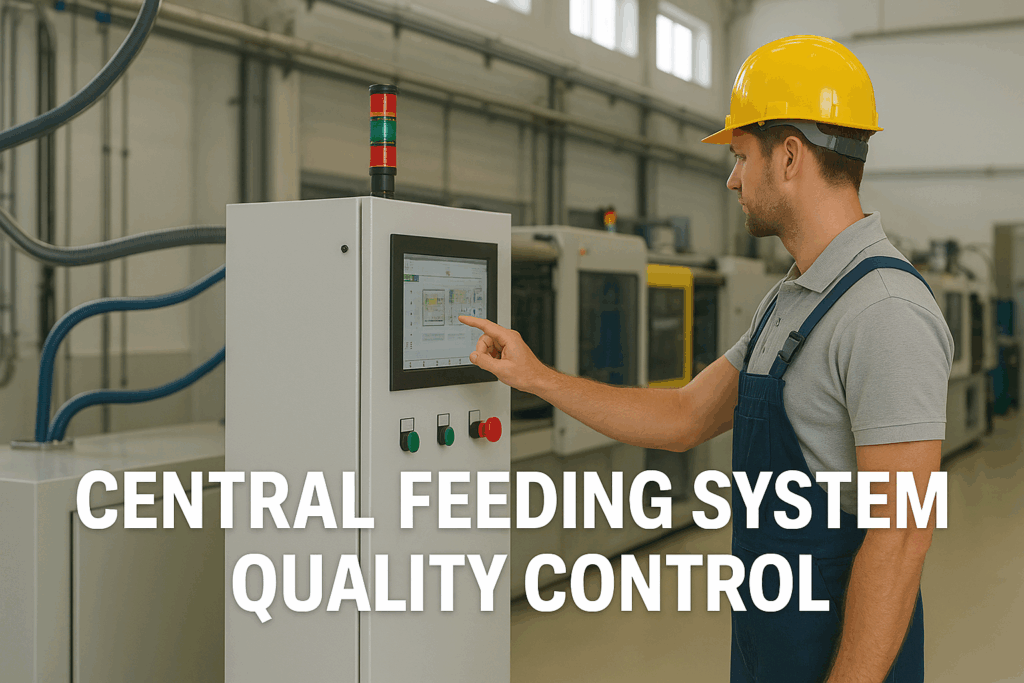
How a Central Feeding System Reduces Material Handling Errors and Improves Product Quality

Introduction: Product Quality Starts with Material Accuracy In plastic manufacturing, even the smallest mistake in material handling can lead to serious quality issues—color variations, weak product structure, contamination, and high scrap rates. Many factories still rely on manual feeding, which is prone to human error, inconsistency, and poor cleanliness. A central feeding system eliminates these

How a Central Feeding System Reduces Material Handling Errors and Improves Product Quality Read More »

Central Feeding System Labor Savings: How to Cut Workforce Costs in Plastic Production

Introduction: Labor Costs Are Eating into Your Profits In the plastic manufacturing industry, labor costs are rising steadily year after year. For many factories, one of the most labor-intensive and inefficient areas is material handling—manually moving plastic resins from storage to machines, loading hoppers, and checking material levels. It’s time-consuming, error-prone, and unsustainable in modern

Central Feeding System Labor Savings: How to Cut Workforce Costs in Plastic Production Read More »

How to Solve Common Feeding Problems in Plastic Injection Molding Plants

Introduction: Feeding Issues Cost You Time and Money In plastic injection molding factories, raw material handling is one of the most overlooked yet critical parts of the production process. Improper feeding can cause downtime, defects, and even machine damage. Whether you’re still using manual loading or basic auto loaders, unresolved feeding issues can limit your

How to Solve Common Feeding Problems in Plastic Injection Molding Plants Read More »

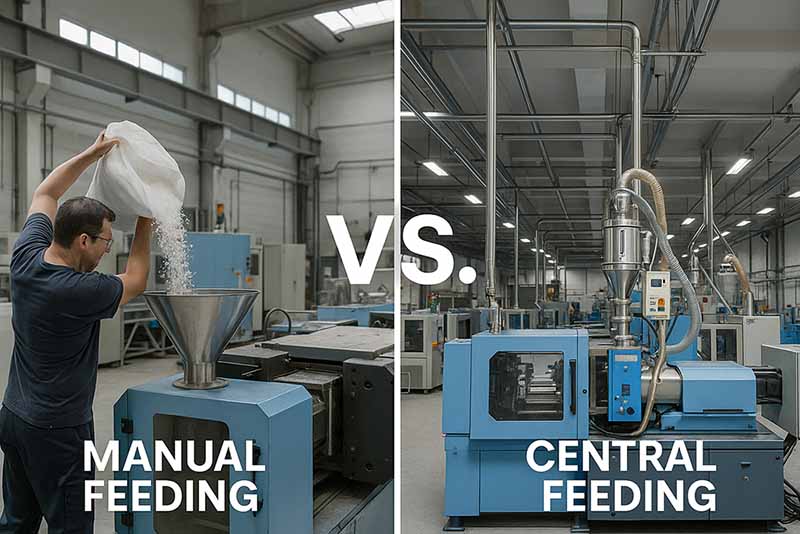
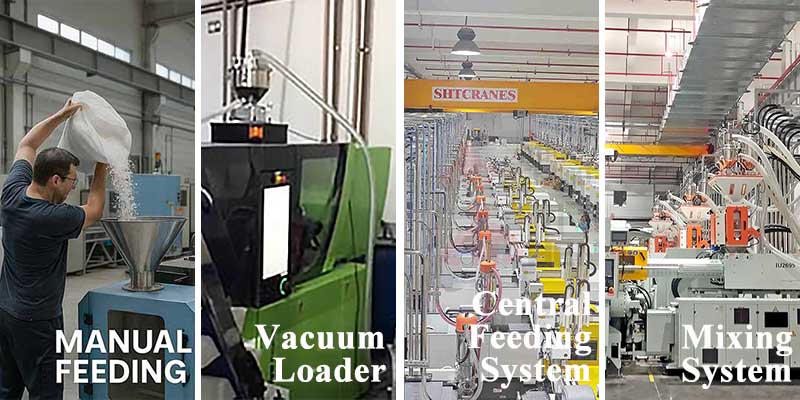
Manual material loading compared to a central feeding system

How to Upgrade from Manual Loading to a Central Feeding System

1. Introduction: Why Manual Loading Is Holding You Back In many plastic processing plants, raw materials are still delivered to each machine manually. While this may seem cost-effective at first, it becomes a bottleneck as production scales. If you’re still relying on manual loading, you’re likely facing rising labor costs, inconsistent material supply, and higher

How to Upgrade from Manual Loading to a Central Feeding System Read More »

wechat/whatsapp

contact information

x

Product Enquiry

Thank you for your inquiry, we will reply you within 24 hours